Image source: Pexels
Introduction
Healthcare is one of the most important foundations of human well-being. Access to medical services, health information, prevention, and treatment allows people to live healthier and more secure lives.
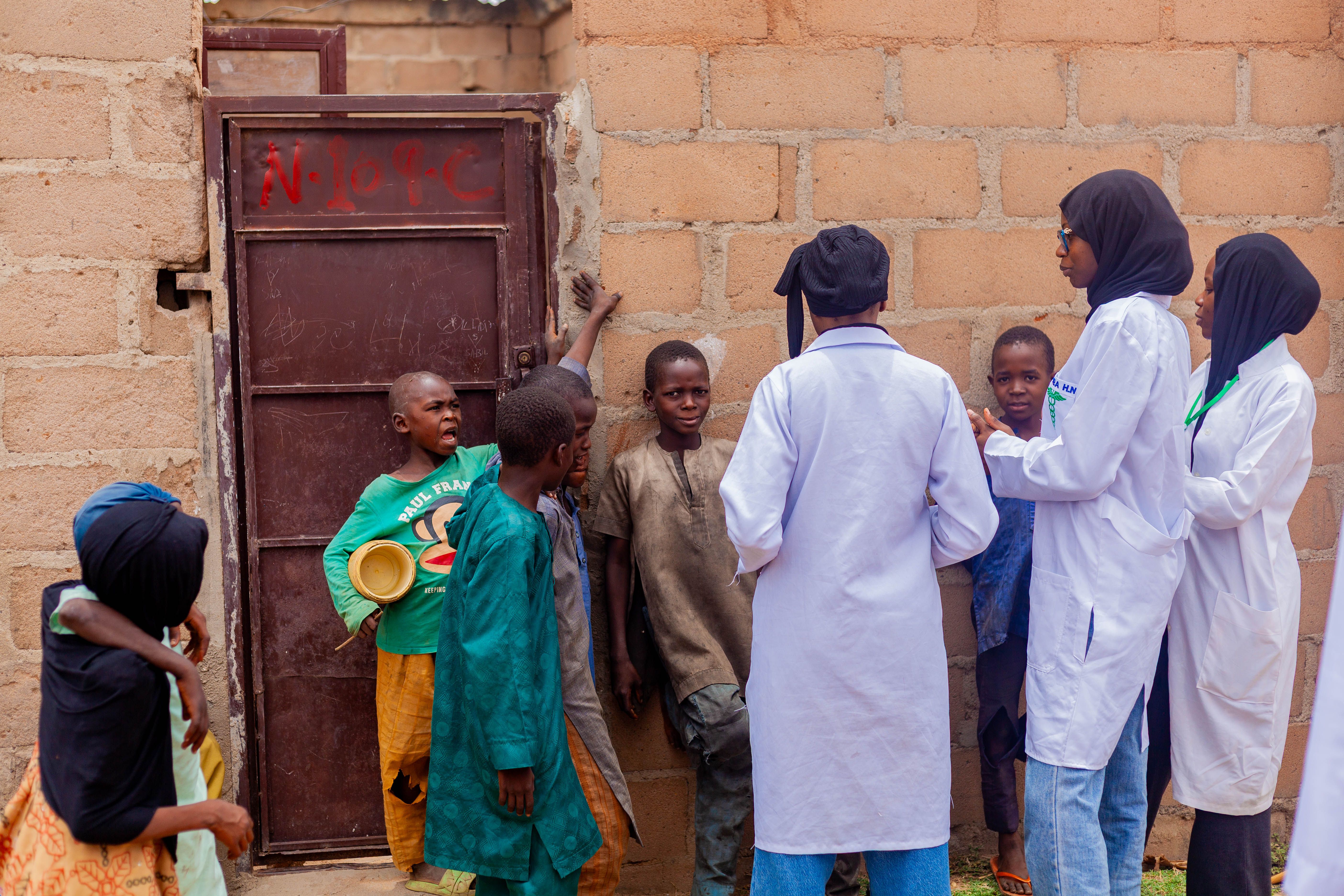
However, millions of people around the world still experience difficulties accessing quality healthcare. These challenges may come from poverty, geographic isolation, limited medical facilities, shortages of healthcare workers, and unequal distribution of resources.
Health inequality does not only affect individuals. It can influence families, communities, education, and economic development.
A healthy community has greater opportunities to learn, work, and create a better future. Supporting healthcare access is therefore an important part of building stronger societies.
Understanding Healthcare Inequality
Healthcare inequality refers to differences in people's ability to receive the health services, treatment, and support they need.
Some communities have access to hospitals, trained medical professionals, advanced equipment, and preventive care, while others may face significant barriers.
These differences can affect whether people receive early treatment, health education, and necessary support when facing illness.
Improving healthcare access requires addressing not only medical services, but also the social and economic factors that influence people's health.
Factors That Create Healthcare Inequality
Healthcare inequality is influenced by many factors that can prevent people from receiving the care they need. These challenges often affect communities with limited resources or difficult living conditions.
💰 Financial Barriers
The cost of medical services, transportation, and medication can make healthcare difficult to access for families with limited income.
🌍 Geographic Challenges
People living in remote areas may face long distances to hospitals or clinics and may have limited access to healthcare professionals.
👩⚕️ Healthcare Worker Shortages
Some communities experience a lack of doctors, nurses, and trained healthcare workers, creating difficulties in providing consistent care.
📚 Limited Health Education
A lack of information about prevention, hygiene, and healthy practices can increase health risks within communities.
The Impact On Children And Families
Children are especially affected when healthcare access is limited. Early health problems can influence growth, learning, and overall development.
When children become sick and cannot receive timely care, they may miss school and experience challenges that affect their future opportunities.
Families may also experience emotional and financial pressure when medical support is difficult to obtain.
Improving healthcare access helps protect not only individuals but also the strength and stability of entire families.
Healthcare Challenges In Rural Communities
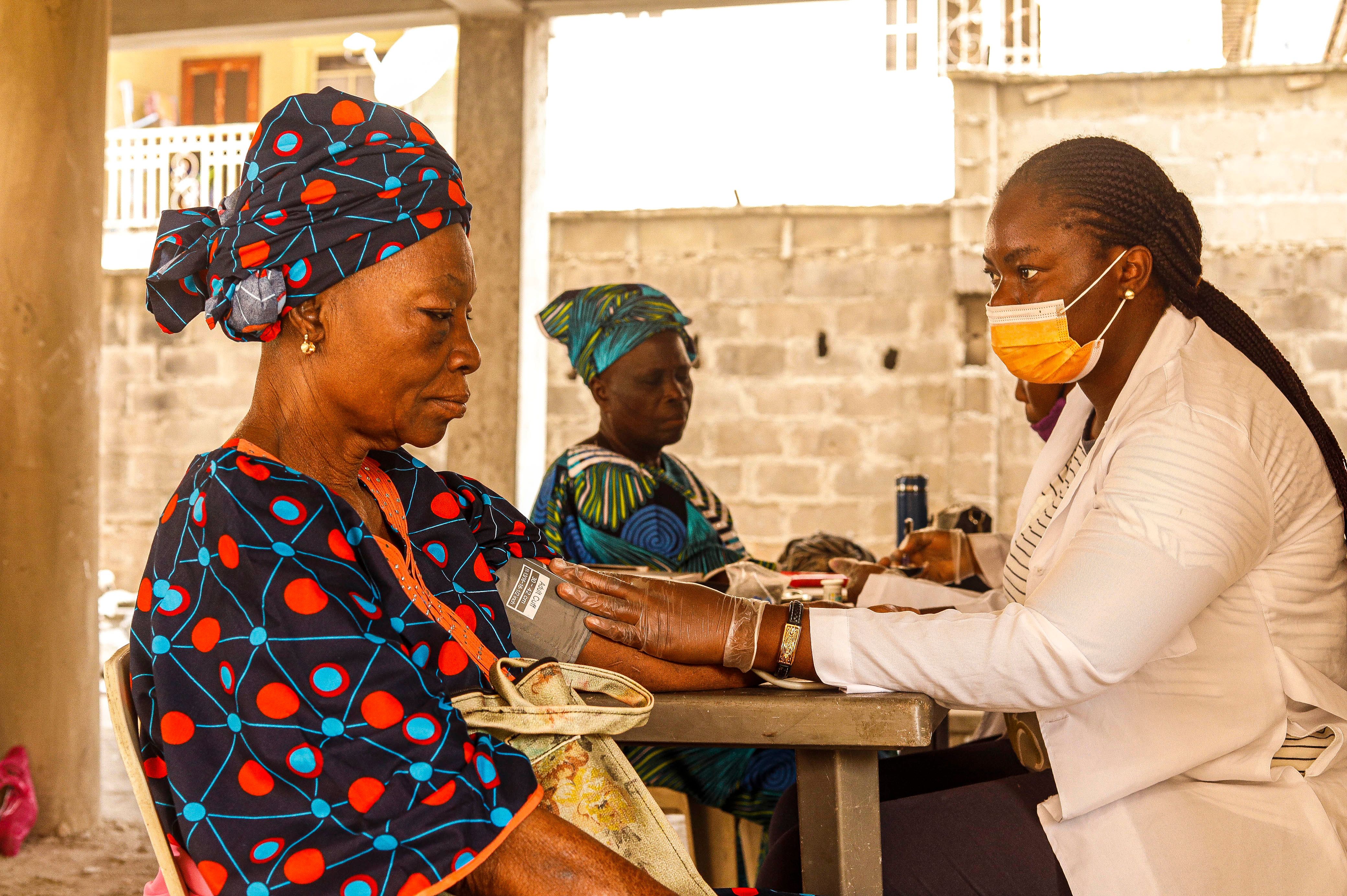
Rural and remote communities often face unique healthcare challenges. Limited transportation, fewer medical facilities, and shortages of healthcare workers can make receiving treatment more difficult.
In some areas, people may need to travel long distances to reach hospitals or clinics. This delay can create additional risks, especially during emergencies.
Healthcare solutions for rural communities need to consider local conditions, available resources, and the importance of building systems that can continue supporting people over time.
Strong healthcare systems are built through cooperation between medical professionals, communities, organizations, and local leaders.
The Importance Of Prevention And Health Education
Healthcare is not only about treating illness. Prevention and education play an important role in helping communities stay healthy.
Knowledge about hygiene, nutrition, disease prevention, and healthy habits can help individuals make informed decisions about their health.
When communities have access to reliable health information, they become better prepared to prevent problems and respond to health challenges.
Education and healthcare support work together to create stronger and healthier communities.
Sustainable Healthcare Solutions
Improving healthcare access requires solutions that address both immediate needs and long-term community development.
Healthcare systems become stronger when communities have access to medical services, health education, trained professionals, and resources that support prevention and treatment.
🏥 Community Healthcare Centers
Local healthcare facilities can help communities receive basic medical services closer to where they live and reduce barriers caused by distance.
🩺 Preventive Healthcare
Health education, early detection, and prevention programs can reduce risks and help people maintain better health.
📖 Health Education
Sharing knowledge about hygiene, nutrition, and disease prevention empowers people to make healthier decisions.
🤝 Partnerships And Cooperation
Working together between communities, organizations, and healthcare professionals can create stronger and more sustainable support systems.
The Role Of Community Support
Communities play an important role in creating healthier environments. Local knowledge and participation help ensure that healthcare solutions respond to real needs.
Healthcare projects are most effective when people are not only receiving assistance but are also involved in planning, education, and long-term improvement.
Volunteers, healthcare workers, organizations, and community members can work together to increase awareness and improve access to essential health services.
Small actions, such as sharing health knowledge or supporting local initiatives, can contribute to meaningful change.
Quietkind's Health Vision
At Quietkind, we believe that good health is a foundation for human opportunity. When people have access to healthcare and knowledge, they have a greater ability to learn, work, and build a better future.
Our vision is to support communities through humanitarian projects, awareness, education, and partnerships that encourage healthier and more resilient societies.
Healthcare is not only about treating illness. It is about protecting dignity, supporting families, and creating opportunities for people to reach their full potential.
Through compassion and cooperation, we hope to contribute to a world where more communities have access to the support they need.
Conclusion
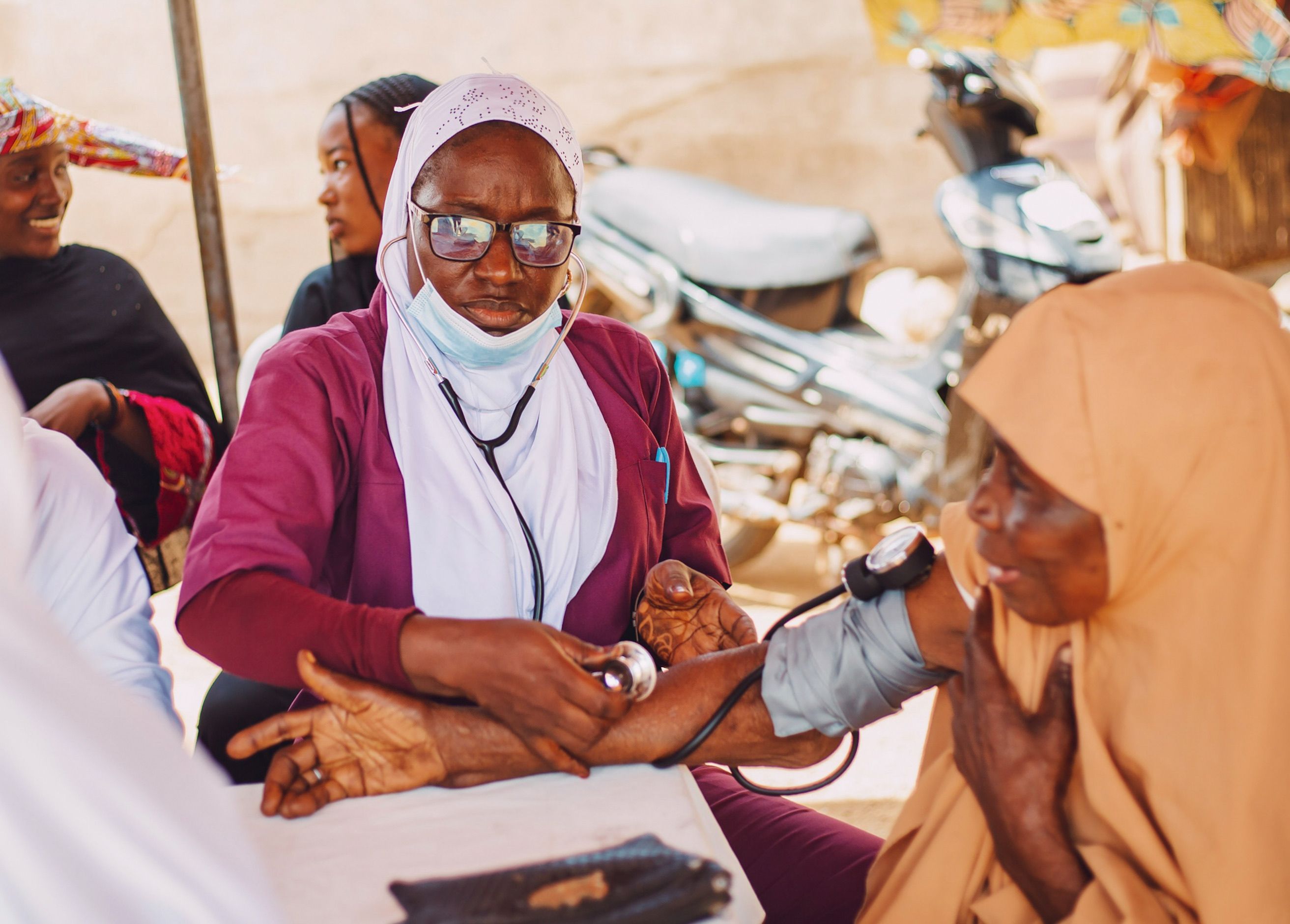
Healthcare inequality remains a significant challenge that affects millions of people around the world. Barriers such as poverty, distance, limited resources, and lack of information can prevent communities from receiving necessary care.
However, through sustainable solutions, education, and collaboration, communities can build stronger healthcare systems and create better opportunities for future generations.
A healthier world begins when every person has the opportunity to access the care and knowledge they need.
Health is not only a personal need. It is the foundation of stronger communities.
References & Further Reading
This article was created by Quietkind based on publicly available information from international organizations and educational resources.
- World Health Organization (WHO) — Global Health and Healthcare Access Information
- UNICEF — Child Health and Community Health Resources
- United Nations — Sustainable Development Goal 3: Good Health and Well-Being
- World Bank — Health Systems and Development Research