Introduction
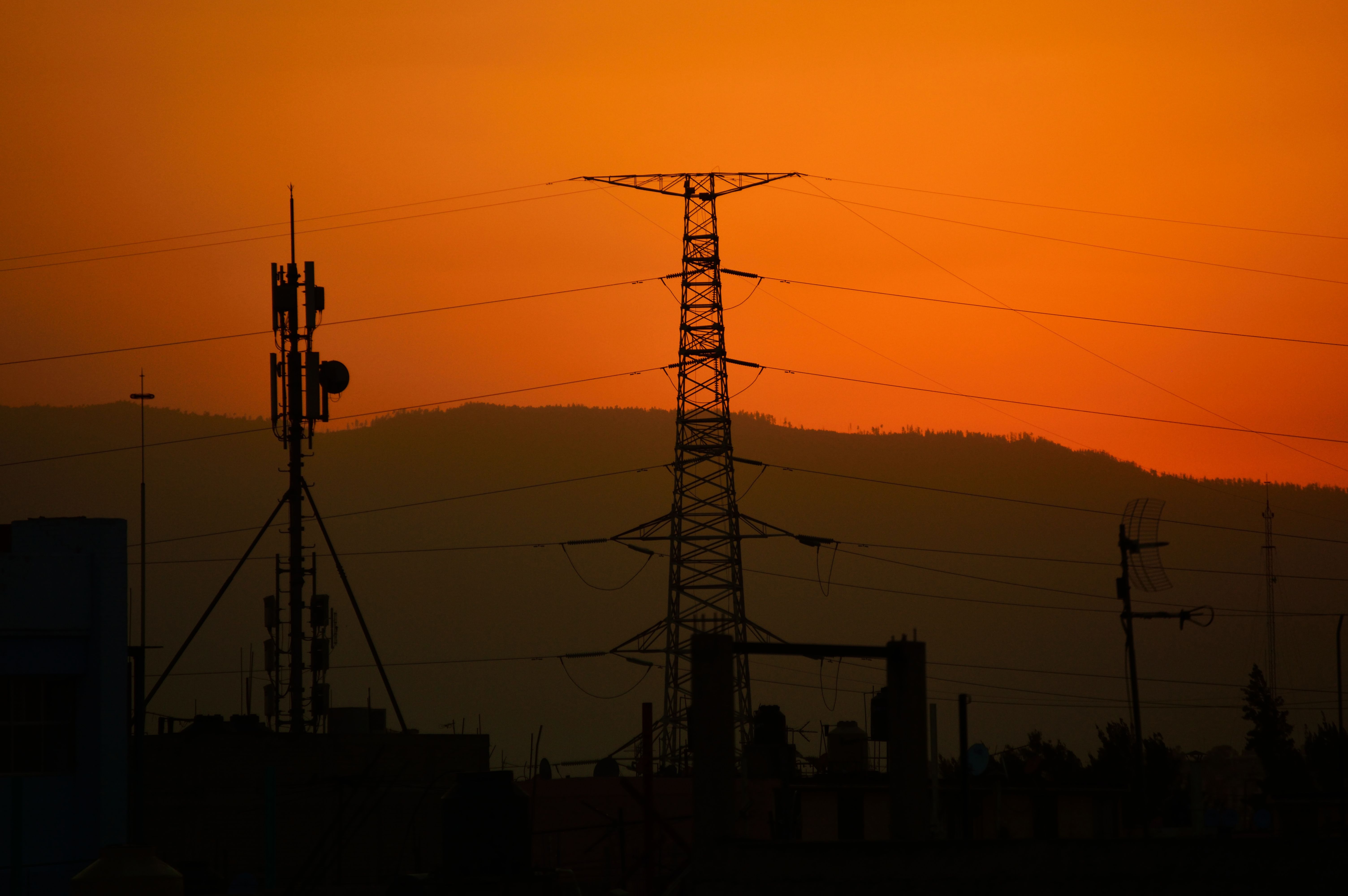
Electricity has become one of the most important foundations of modern life. It supports education, healthcare, communication, businesses, and essential services that help communities grow and develop.
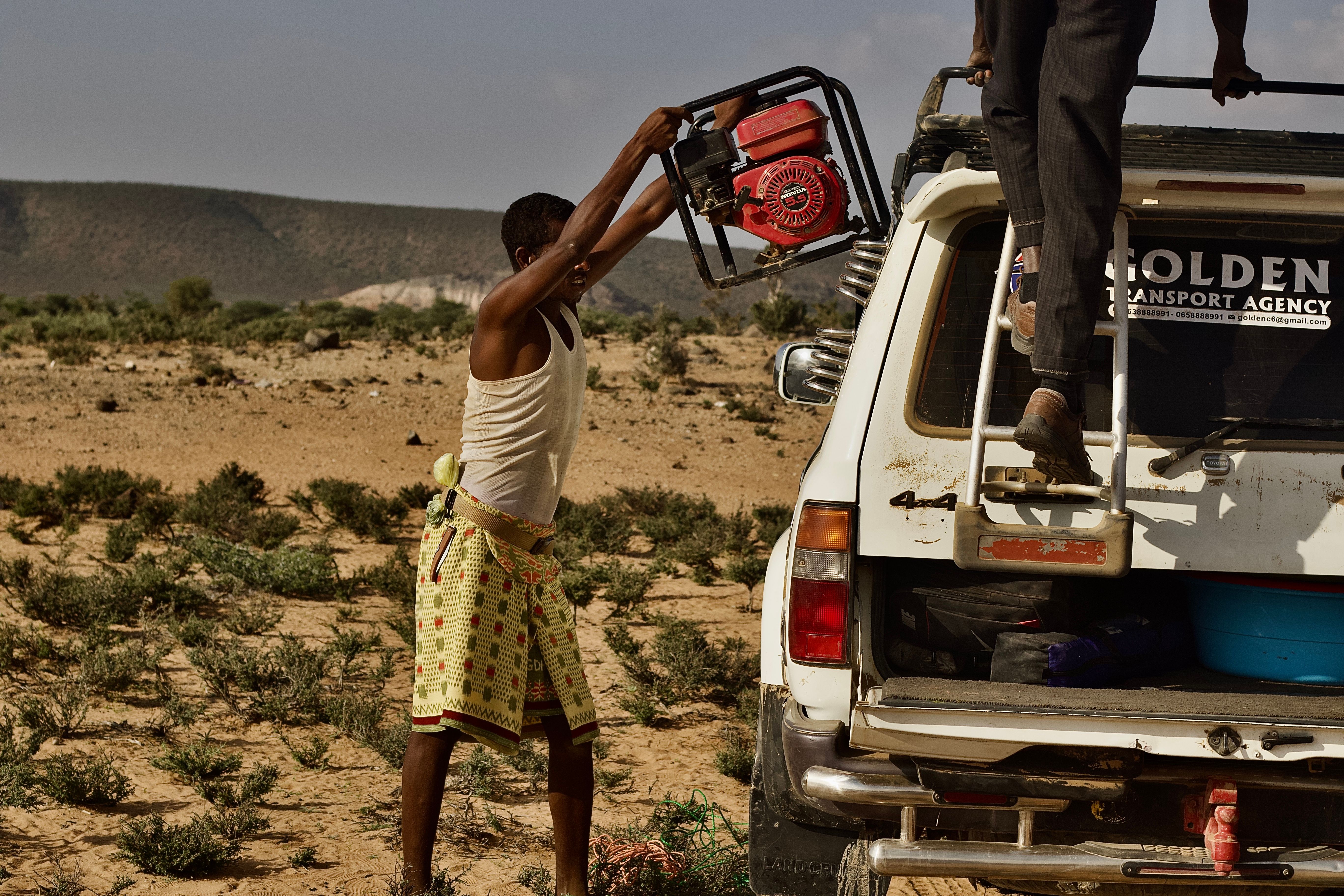
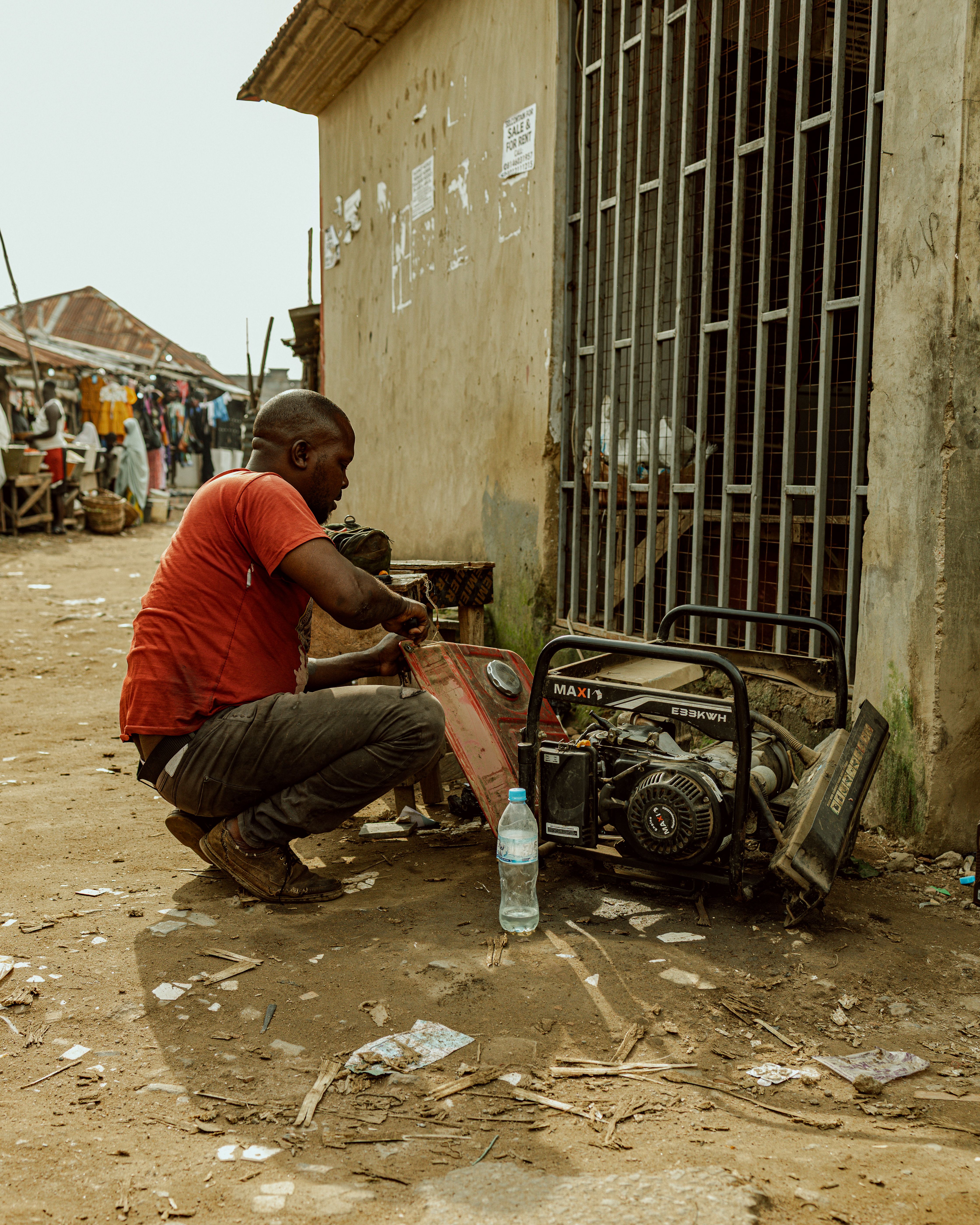
However, millions of people around the world still live without reliable access to electricity. For many communities, especially in rural and remote areas, limited energy access remains a major barrier to improving quality of life.
The lack of electricity is not only a problem of technology or infrastructure. It is connected to education opportunities, economic development, healthcare access, and the ability of communities to participate in the modern world.
Understanding energy inequality helps us recognize why sustainable and inclusive energy solutions are important for creating a more equal future.
Understanding Energy Inequality
Energy inequality refers to the unequal access to affordable, reliable, and sustainable energy sources between different communities and regions.
While some areas have advanced electricity systems that support daily life, other communities may experience frequent power shortages or have no connection to electricity networks at all.
This difference can create challenges that affect people's ability to study, work, access information, and improve their living conditions.
Energy access is therefore closely connected to social and economic development. Providing electricity can create opportunities that extend beyond lighting a home.
How Lack of Electricity Affects Communities
Access to electricity influences almost every part of daily life. When communities lack reliable energy, people face challenges that can limit education, healthcare, communication, and economic opportunities.
For families living in areas without electricity, simple activities such as studying after sunset, charging communication devices, preserving food, or accessing important information can become much more difficult.
The absence of electricity can create barriers that prevent communities from fully participating in social and economic development.
📚 Education Challenges
Students may have limited opportunities to study at night without reliable lighting. Schools may also struggle to use digital learning tools and educational technology.
🏥 Healthcare Challenges
Healthcare facilities need electricity for lighting, medical equipment, communication systems, and safe storage of important supplies.
💼 Economic Challenges
Small businesses and local entrepreneurs may face difficulties operating, expanding, or creating new opportunities without dependable energy sources.
The Impact On Education And Children
Electricity plays an important role in creating learning opportunities. Access to lighting allows students to study beyond daylight hours and supports schools in using modern educational resources.
Without electricity, many children may experience additional challenges in completing homework, accessing online learning materials, or developing digital skills that are increasingly important in today's world.
Schools without reliable energy may also face limitations in providing a comfortable and effective learning environment.
Improving energy access can therefore support children's education and help create opportunities for future generations.
Healthcare And Energy Access
Reliable electricity is essential for healthcare systems. Hospitals and clinics depend on energy for lighting, medical equipment, refrigeration, communication, and emergency services.
In areas with limited electricity access, healthcare providers may face difficulties delivering safe and consistent medical services.
Energy solutions such as solar power systems can help support healthcare facilities in remote locations by providing a more stable source of electricity.
Improving energy access is therefore also an important step toward improving public health and community resilience.
The Connection Between Energy And Economic Development
Electricity can create opportunities for communities by supporting businesses, improving productivity, and encouraging innovation.
Small businesses such as local shops, workshops, food producers, and community enterprises often depend on reliable energy to operate effectively.
When communities gain access to sustainable energy, people may have greater opportunities to develop skills, create income, and build stronger local economies.
Energy access is not only about providing power. It is about creating possibilities for people to improve their lives.
Sustainable Energy Solutions
Addressing electricity inequality requires solutions that are sustainable, accessible, and suitable for the needs of each community.
Traditional energy systems can be difficult to expand into remote areas because of geographic challenges and high infrastructure costs. For this reason, renewable energy solutions have become an important option for communities that need reliable and environmentally responsible sources of power.
☀️ Solar Energy
Solar power systems can provide electricity to remote communities by using renewable energy from sunlight. They can support homes, schools, healthcare facilities, and community projects.
🔋 Energy Storage
Battery storage systems can help communities maintain access to electricity when renewable energy sources are not immediately available.
🏘️ Local Energy Solutions
Community-based energy projects can be designed according to local needs and encourage people to participate in maintaining sustainable systems.
The Importance Of Community Participation
Sustainable development is strongest when communities are involved in creating and managing solutions.
Energy projects are not only about installing technology. They also require education, training, maintenance, and cooperation to ensure that systems continue providing benefits over time.
When communities understand how energy systems work and participate in decision-making, they become stronger partners in creating long-term change.
Empowering local communities helps transform energy access from a temporary solution into a foundation for sustainable development.
Quietkind's Vision
At Quietkind, we believe that access to essential resources, including electricity, can help create opportunities for education, health, and community growth.
Our goal is to support awareness, humanitarian initiatives, and partnerships that help communities overcome challenges and build sustainable futures.
Energy access represents more than electricity. It represents the opportunity for children to learn, families to connect, communities to develop, and people to create better possibilities for themselves.
Through collaboration and compassion, we can support solutions that bring positive change to communities around the world.
Conclusion
Electricity inequality remains a significant global challenge that affects education, healthcare, economic development, and quality of life.
However, sustainable energy solutions and community cooperation can help create a future where more people have access to reliable and clean energy.
Improving energy access is not only about providing electricity. It is about creating opportunities, supporting human potential, and building stronger communities.
Energy creates possibilities. Access creates opportunity.
References & Further Reading
This article was created by Quietkind based on publicly available information from international organizations and educational resources.
- United Nations (UN) — Sustainable Development Goals and Energy Access Information
- International Energy Agency (IEA) — Global Energy Access Reports
- World Bank — Energy Access and Development Research
- International Renewable Energy Agency (IRENA) — Renewable Energy Solutions