Introduction
Education is one of the most powerful tools for improving people's lives. It provides knowledge, develops skills, and creates opportunities for individuals and communities to build a stronger future.
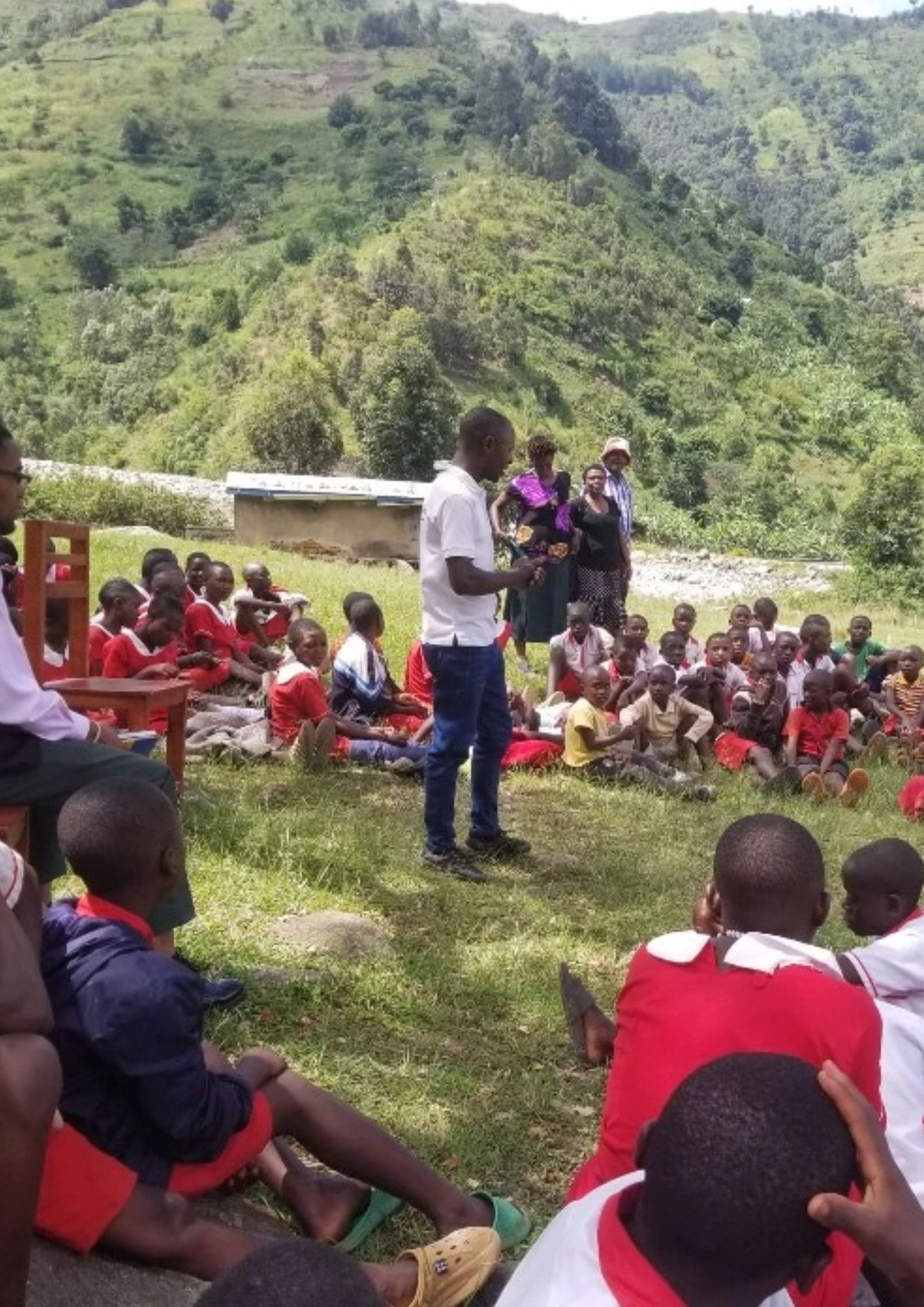
However, millions of children around the world still face barriers that prevent them from receiving quality education. These barriers may include poverty, limited school facilities, geographic isolation, conflict, lack of learning materials, and unequal access to technology.
Education inequality does not only affect children's ability to learn. It can influence future employment opportunities, economic development, and the overall progress of communities.
Every child deserves the opportunity to discover their potential, develop their abilities, and participate in creating a better future.
Understanding Education Inequality
Education inequality refers to differences in access to learning opportunities, resources, and support between different groups of people.
Some children grow up with access to well-equipped schools, technology, and learning support, while others may struggle because of circumstances beyond their control.
These differences can begin early in childhood and continue throughout a person's life, creating challenges that affect personal growth and community development.
Addressing education inequality requires understanding the many factors that influence a child's ability to learn.
Factors That Create Education Inequality
Education inequality is caused by many interconnected factors. These challenges often affect children who live in vulnerable communities and areas with limited resources.
💰 Poverty And Financial Barriers
Many families may struggle with the costs connected to education, including transportation, school supplies, uniforms, and other learning resources.
🏫 Limited School Resources
Some schools may lack classrooms, educational materials, trained teachers, or safe learning environments.
🌍 Geographic Challenges
Children living in remote areas may face difficulties reaching schools because of distance, transportation limitations, or challenging environments.
💻 Digital Divide
Limited access to computers, internet, and technology can create additional barriers for students in the modern learning environment.
The Impact On Children And Their Futures
Education affects more than academic knowledge. It influences children's confidence, skills, opportunities, and ability to participate in society.
When children cannot access quality education, they may face greater challenges in finding employment, improving their economic situation, and breaking cycles of poverty.
The effects of education inequality can continue across generations. When children lose learning opportunities, communities may also lose future leaders, innovators, and contributors.
Supporting education means investing in the future potential of individuals and entire communities.
Challenges In Rural Education
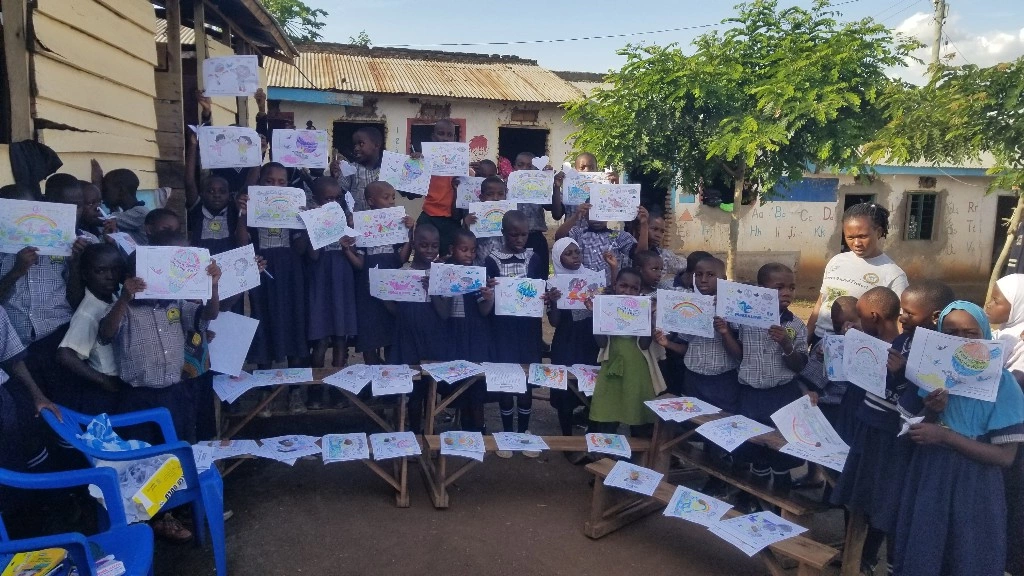
Children in rural and underserved areas often experience unique educational challenges. Schools may be located far from communities, making transportation difficult.
Some schools may also experience shortages of teachers, learning materials, technology, and essential facilities needed to provide effective education.
Despite these challenges, many communities demonstrate strong determination and creativity in finding ways to support children's learning.
Successful education initiatives often work together with local communities to understand their needs and create solutions that can continue developing over time.
The Importance Of Equal Learning Opportunities
Every child has unique abilities, interests, and potential. Equal access to education allows children to discover their strengths and develop the skills they need for the future.
Education can help children gain confidence, understand the world around them, and become active participants in their communities.
Creating equal learning opportunities does not mean every community needs exactly the same solution. It means ensuring that every child has the support and resources needed to succeed.
Solutions For Creating Better Education Opportunities
Reducing education inequality requires cooperation between communities, organizations, governments, educators, and individuals. Long-term improvement comes from creating systems that support children not only in entering schools, but also in continuing their learning.
Effective education solutions should consider the real needs of each community. Every area has different challenges, and successful programs often begin by listening to the people they aim to support.
📚 Learning Resources
Providing books, school supplies, educational materials, and safe learning spaces can help children develop their knowledge and confidence.
👩🏫 Supporting Teachers
Teachers play an important role in children's development. Supporting educators helps create stronger learning environments.
💻 Digital Education
Technology can expand access to knowledge through online learning, digital resources, and communication tools.
🤝 Community Support
Families and communities are essential partners in encouraging children to continue learning and reaching their goals.
The Role Of Community And Global Cooperation
Education is a shared responsibility. Creating opportunities for children requires collaboration between people who believe that every child deserves the chance to learn.
Communities understand their own challenges and strengths. When local knowledge is combined with support from organizations and partners, education projects can become more effective and sustainable.
Volunteers, educators, donors, and community members all have important roles in helping create environments where children can learn and grow.
Quietkind's Education Vision
At Quietkind, we believe education is a pathway toward opportunity, independence, and positive change.
Our vision is to support learning opportunities by connecting communities, sharing knowledge, and encouraging initiatives that help children access education and develop their potential.
Education is not only about classrooms and textbooks. It is about giving children the confidence to imagine a future, develop their talents, and become contributors to their communities.
Through collaboration and kindness, we hope to support a world where more children have the opportunity to learn, create, and achieve their dreams.
Conclusion
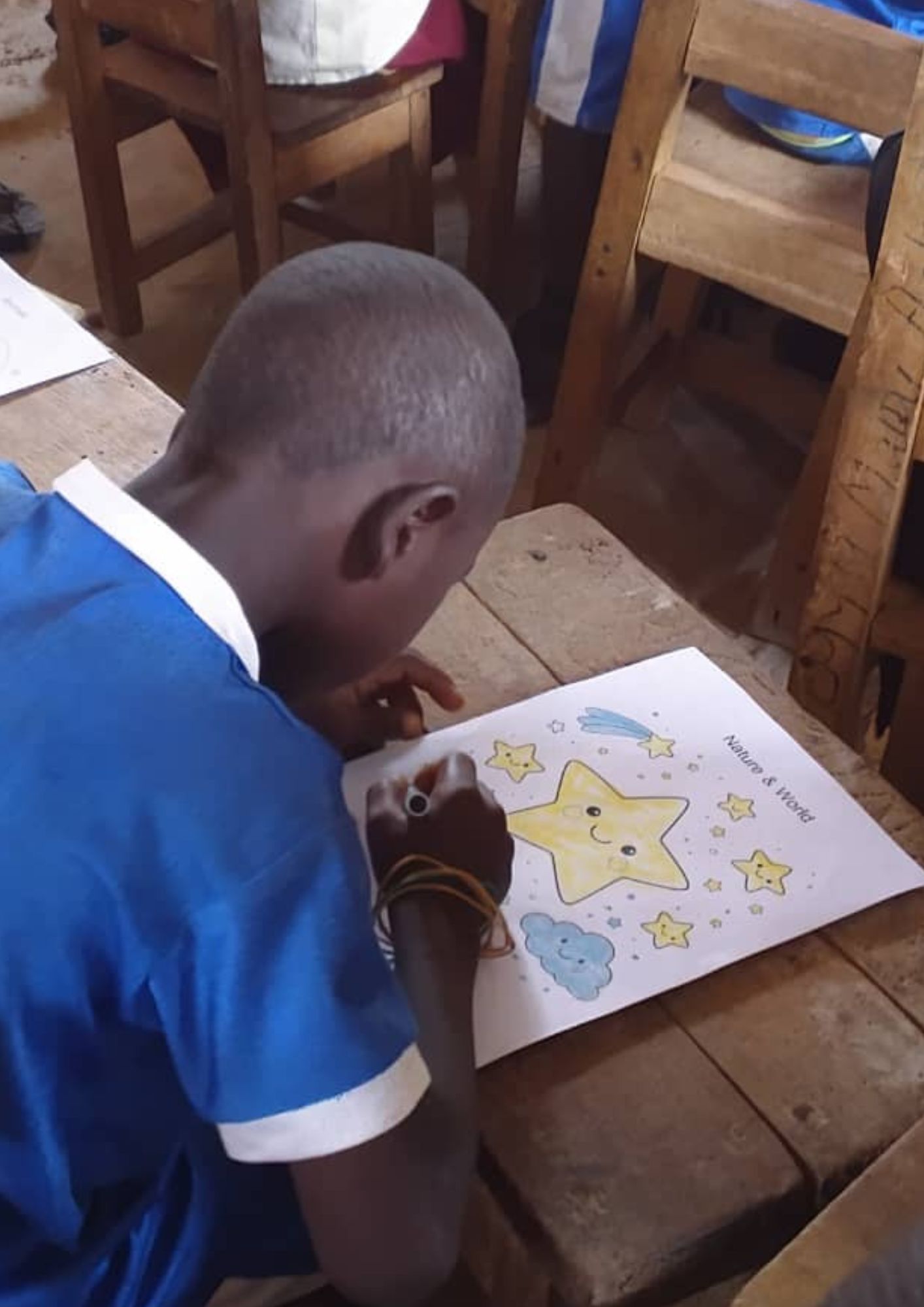
Education inequality remains one of the important challenges affecting children and communities around the world. The barriers may be different in each location, but the need for opportunity and support is universal.
Improving access to education can create lasting positive effects, from stronger communities to greater opportunities for future generations.
When children are given the chance to learn, they are given the chance to build a better future.
Every child has potential. Education helps that potential grow.
References & Further Reading
This article was created by Quietkind based on publicly available information from international organizations and educational resources.
- UNESCO — Global Education Monitoring and Education Development Information
- UNICEF — Education and Child Learning Resources
- World Bank — Education Development Research
- United Nations — Sustainable Development Goal 4: Quality Education