The Global Challenge of Access to Safe Water and Its Impact on Communities Around the World
Introduction
Water is one of the most essential resources for human life. Every person depends on clean and safe water for drinking, cooking, hygiene, agriculture, and daily living. However, millions of people around the world still face difficulties accessing reliable sources of clean water.
The global water crisis is not only an environmental issue. It is also a challenge connected to health, education, economic opportunity, and community development.
When communities lack access to safe water, the effects reach far beyond the absence of a basic resource. Families may face increased health risks, children may lose educational opportunities, and communities may struggle to build sustainable futures.
Understanding the water crisis is an important step toward creating solutions that support human dignity and improve quality of life.
Understanding The Global Water Crisis
The water crisis occurs when individuals or communities do not have sufficient access to safe, affordable, and reliable water sources.
Many factors contribute to this problem, including limited infrastructure, population growth, climate change, drought, pollution, and economic inequality.
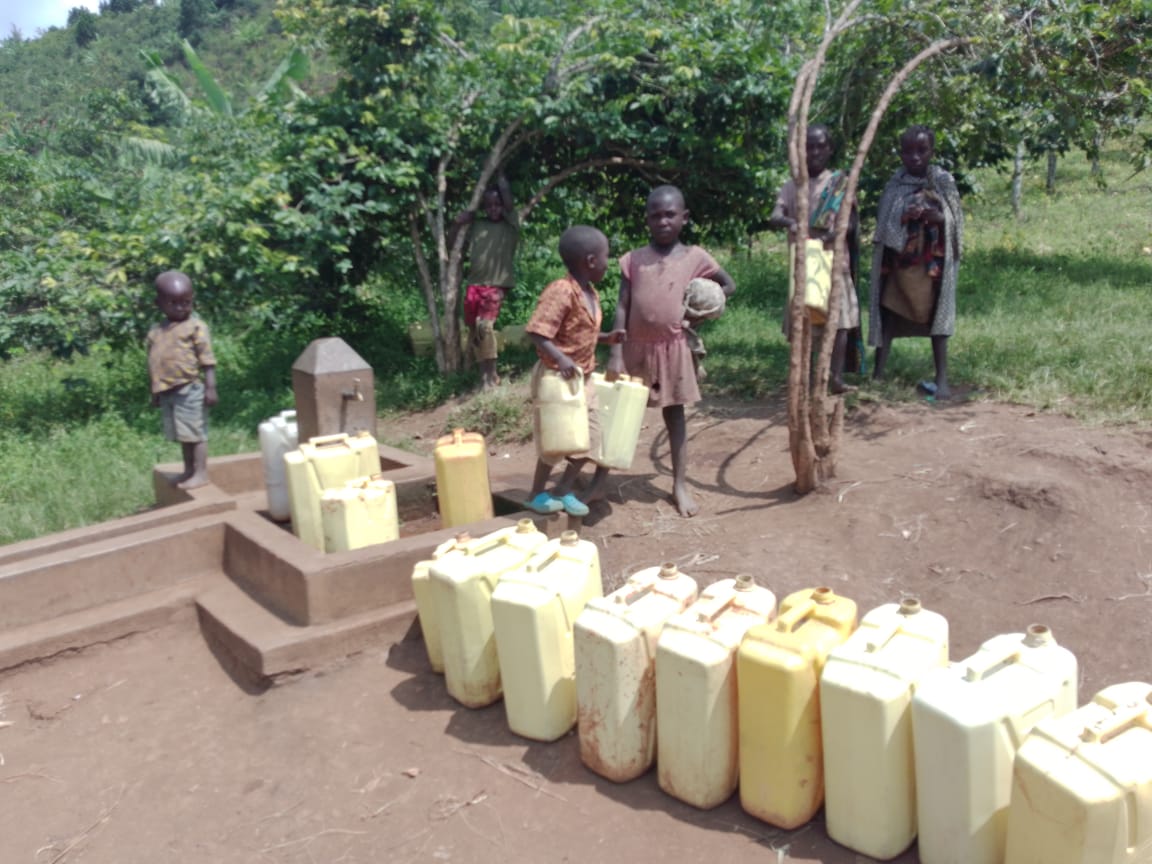
In many rural areas, communities may depend on distant water sources such as rivers, lakes, or wells. Without proper treatment systems, these sources may contain harmful contaminants that can affect people's health.
The challenge is not only about the amount of water available, but also about whether that water is safe and accessible for everyday use.
How Lack of Clean Water Affects Communities
The absence of clean water creates challenges that affect many areas of life. Water is connected to health, education, economic stability, and the overall development of communities.
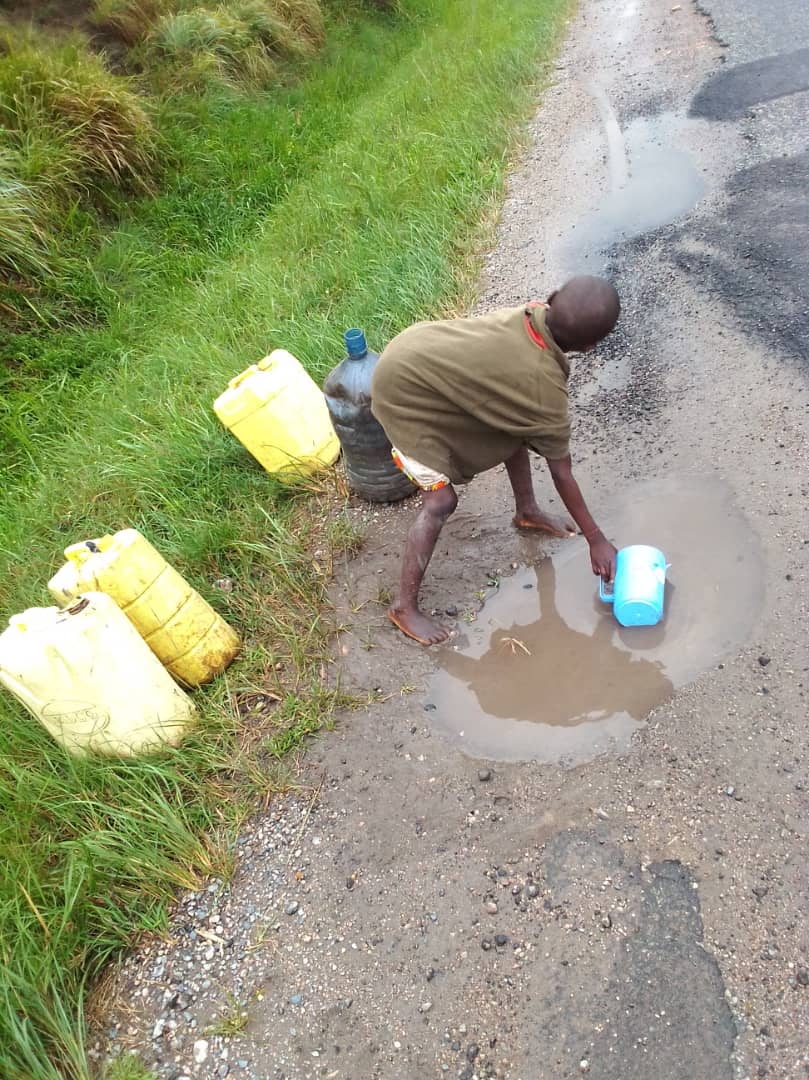
When people do not have access to safe water, they may be forced to spend significant amounts of time searching for water from distant sources. This responsibility often affects women and children, limiting their opportunities to study, work, or participate in community activities.
For families living in vulnerable conditions, the daily struggle to find safe water can become a cycle that is difficult to overcome without support, infrastructure, and long-term solutions.
Health Impact
Unsafe water can increase the risk of water-related illnesses and create additional challenges for communities with limited healthcare access.
Education Impact
Children who spend time collecting water may have fewer opportunities to attend school and focus on learning.
Economic Impact
Communities may face difficulties developing businesses and improving livelihoods without reliable water resources.
The Hidden Impact on Children
Children are among the groups most affected by the global water crisis. Access to clean water influences not only their health but also their ability to learn, grow, and build a better future.
In some communities, children may participate in collecting water for their families. The time spent searching for water can reduce the time available for education and personal development.
A lack of safe water can also affect children's daily lives through increased health risks. When children become sick from unsafe water, they may miss school and fall behind in their education.
Supporting access to clean water is therefore also an investment in children's education, health, and future opportunities.
Challenges In Rural Communities
Rural communities often experience greater difficulties accessing clean water because of geographic isolation and limited infrastructure.
Building sustainable water systems requires more than simply providing water. Communities need solutions that consider local conditions, maintenance, education, and long-term management.
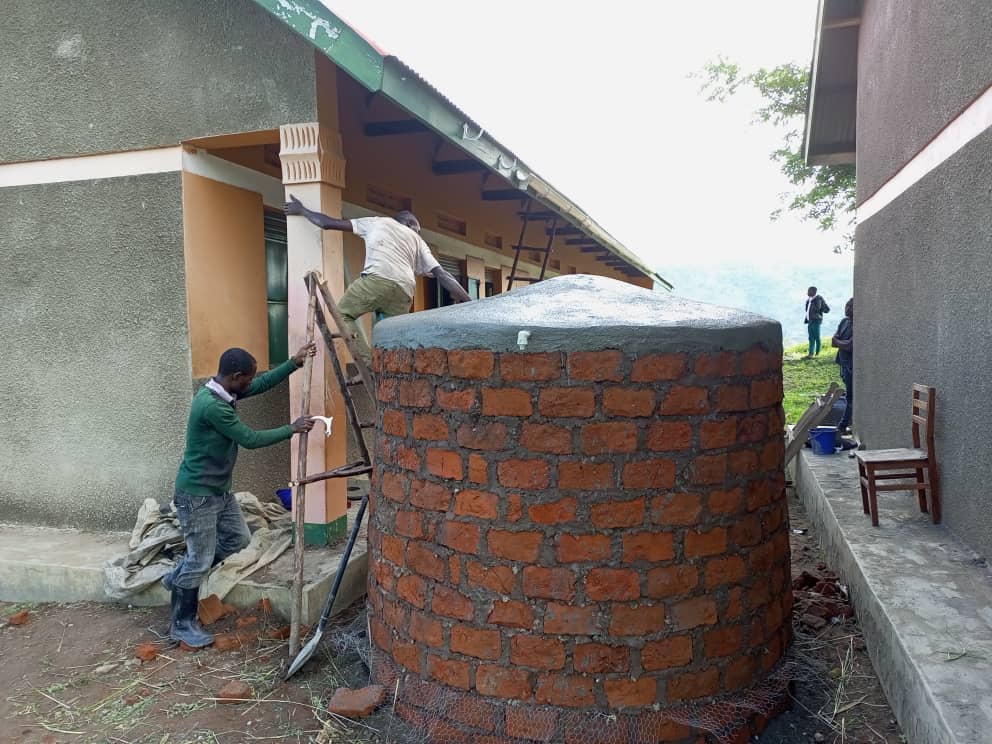
Successful water projects often involve working together with local communities to understand their needs and develop solutions that can continue operating in the future.
Empowering communities with knowledge and resources allows people to become active participants in creating sustainable change.
Why This Issue Matters Globally
The water crisis affects communities in different ways, but it represents a shared global challenge.
Clean water is connected to human dignity, public health, environmental protection, and sustainable development. Improving access to safe water can create positive changes that reach entire communities.
By understanding these challenges, individuals and organizations can support solutions that create lasting impact rather than temporary assistance.
Sustainable Solutions For The Water Crisis
Addressing the global water crisis requires long-term solutions that focus on sustainability, community involvement, and equal access.
Providing clean water is not only about building infrastructure. Successful solutions also require education, maintenance, environmental protection, and cooperation with local communities.
💧 Clean Water Systems
Developing wells, filtration systems, water storage, and safe distribution systems can help communities access reliable water sources.
🌱 Environmental Protection
Protecting rivers, forests, and natural water sources helps preserve clean water resources for future generations.
📚 Education & Awareness
Teaching communities about hygiene, sanitation, and water management helps create lasting improvements.
🤝 Community Partnership
Working together with local communities ensures that solutions match real needs and can continue over time.
The Role Of Communities And Individuals
Solving the water crisis is a responsibility shared by governments, organizations, communities, and individuals.
Small actions can contribute to larger change. Supporting responsible water use, learning about global challenges, sharing knowledge, and supporting meaningful projects can help increase awareness and encourage solutions.
Communities are not only recipients of support. They are also important partners who bring knowledge, experience, and creativity to the process of building a better future.
Quietkind's Vision
At Quietkind, we believe that access to basic resources such as clean water is connected to human dignity, opportunity, and hope.
Our mission is to support communities through education, awareness, humanitarian projects, and partnerships that encourage sustainable development.
Through our initiatives, we aim to create connections between people who want to help and communities seeking opportunities for growth.
The journey toward solving global challenges requires compassion, cooperation, and continued action. Every contribution, whether large or small, can become part of meaningful change.
Conclusion
The global water crisis is one of the most important challenges affecting communities around the world. It influences health, education, economic opportunity, and the ability of people to build secure futures.
Understanding this issue allows us to recognize the importance of sustainable solutions and community-driven action.
Clean water is more than a resource. It is a foundation for life, dignity, and opportunity.
References & Further Reading
This article was created by Quietkind based on publicly available information from international organizations and educational resources.
United Nations (UN) — Global Water and Sustainable Development Information
UNICEF — Water, Sanitation and Hygiene (WASH) Programs
World Health Organization (WHO) — Drinking Water and Public Health Information
World Bank — Water Resources and Development Research